Skip to content
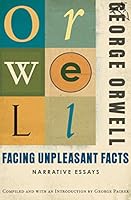
- Author: George Orwell
- Full Title: Facing Unpleasant Facts
- Category: #books
- Part of the essay’s congeniality for Orwell is its flexibility. All a reader asks is that the essayist mean what he says and say something interesting, in a voice that’s recognizably his; beyond that, subject matter, length, structure, and occasion are extremely variable.
- He moves from observation to thought, from a painful detail to some broader, redemptive understanding. It’s the most important journey an essay can make, and the hardest. It requires the essayist to be equally good at rendering experience and interpreting it—to be a character and a narrator, a sensitive consciousness and a dispassionate philosopher. “A Hanging” sets the precedent: Out of the smallest incidents come the deepest recognitions, whether “that moment” occurs on the path to the gallows or years later at the writer’s desk.
- He is emphatic, but he is rarely didactic; a characteristic tone of the Orwell essay is its lack of expressed outrage. Again, he is saying: “This is how things are—like it or not.”
- Reflecting on one’s own life is an astringent endeavor that requires the opposite of self-indulgence. This most autobiographical of writers believed that “one can write nothing readable unless one constantly struggles to efface one’s own personality.” And yet Orwell is felt everywhere in these essays. The facts they record are registering on a particular storyteller: an independent-minded one, who is usually writing against something. The pressure of subjectivity—Orwell’s biases, concerns, obsessions, turns of mind—is what gives the prose its vividness.